Security is not usually considered the glamorous part of conference planning…
But it’s essential for both the attendee experience and your brand’s reputation. Whether you’re planning an investor summit, leadership retreat, global tech showcase, or an annual employee or stakeholder meeting, your attendees are trusting you with more than just their time and attention; they expect to feel safe and secure throughout the experience.
While strategizing security plans, a great conference management team can help you prioritize visibility over intrusiveness. They can also help implement technological measures, design protocols tailored to the exact venues you’ve chosen, and understand the local culture and expectations of regional first responders. Your planners should encourage site visits, consult with travel bureau officials, and partner with experienced vendors to meet the conference’s unique security demands.
Here are some frequently asked questions we receive about conference security.
Should security be visible at my conference?
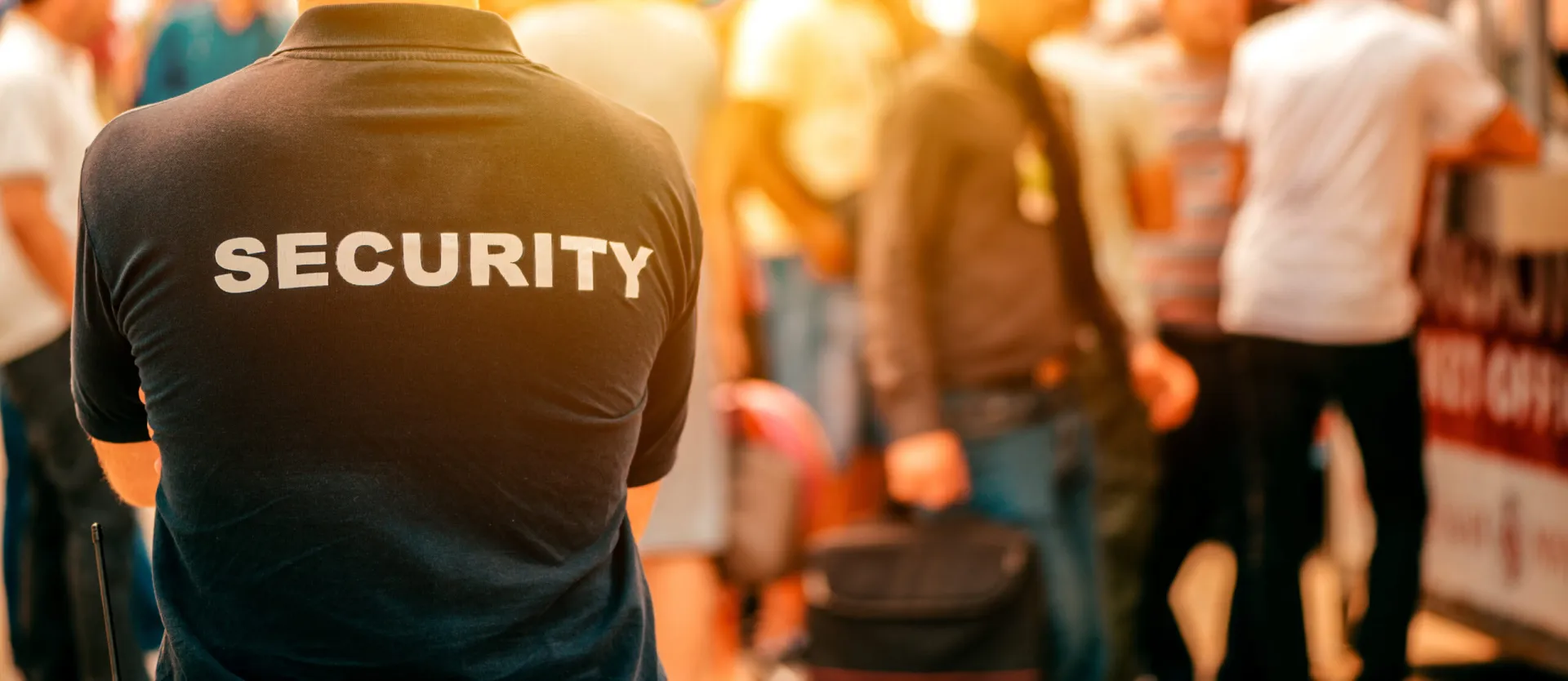
A visible security presence shows your commitment to professionalism and preparedness. Comfort, however, should also be part of your strategy. Having armed guards everywhere doesn’t usually create a comfy environment, so you must strike a balance between visibility and intrusiveness. Security should be seen, but not felt.
Smart credentialing, unobtrusive screening points, and well-positioned staff, guards, and medical officers are enough to address attendee concerns without impacting their experience, in most cases. The level of visible security, however, rises based on the topics and proprietary information that’s being shared at your conference. For example, we had a former President as a conference’s keynote, which required Secret Service-level protection.
Should we tell our attendees about the conference’s security plans?
Transparency is just as important as visibility, especially at conferences where highly sensitive information is shared. Great planners communicate regularly with staff, clients, venues, vendors, and guests about security. They empower everyone with the knowledge and resources they need to interact with and support the security team. We believe everyone can play a role in ensuring the show is both spectacular and secure.
Will my conference venue already have security protocols?
Most venues have security protocols in place. They know their space best, when to take control of situations, and who to contact in emergencies. And yet, your conference producers should still review these details to ensure they sync with your expectations. If the venue protocols do not address the following topics, work with your producers to resolve them:
- Spaces that are designed to naturally control traffic flow, reduce bottlenecks, and provide clear exits.
- Intuitive signage and robust staff coverage so attendees always know they’re in the right place.
- Entrance and exit points should always be accessible. Big crowds are great, but they should be easily dispersible when necessary.
Do I need technology at my conference to help with security?
Technology can make a huge difference in your conference security by supporting data privacy. With so much personal and professional information flowing through apps, Wi-Fi networks, and registration platforms, cybersecurity must be part of your security plan. In the past, we’ve helped clients install separate Wi-Fi systems to avoid network intrusions and information leaks.
Security tech manages physical safety protocols as well. Powerful tools, like RFID badges, facial recognition, AI-enabled crowd monitoring, and emergency alert systems, discreetly manage conference traffic and provide a quick response to unexpected situations. When using security tech, we recommend training staff thoroughly or hiring specialists who can properly operate the technology.
Should my security strategy change based on different cities or countries?
Conference security basics rarely change, but events in different cities or countries will absolutely look different from one another. So will your security plans. Every location has a unique culture, politics, and infrastructure. This is why we coordinate with travel officials, security teams, venues, and embassies to ensure nothing is left to chance.
What happens if something goes wrong at my conference?
What if the power goes out, a storm washes out my outdoor event, there’s a protest, or someone has a medical emergency? What if, worse?
These are tough questions to ask, let alone answer, and they’re only the tip of the iceberg when it comes to conference security strategy. Still, you must have a robust strategy in place before doors open to attendees. Safety is a host’s primary responsibility; it’s the foundation of a great attendee experience. Everything flows smoothly once you create a secure, comfortable environment for attendees to navigate.
Not sure where to start? Contact us to discuss a customized security strategy for your upcoming conference.